Top Safety Features to Consider in Children's Beds
Choosing the right bed for children is a vital decision that impacts their safety and comfort during sleep. Parents often overlook essential safety features that can significantly reduce risks associated with sleeping environments. Understanding these features not only helps in selecting a safe bed but also promotes a restful night for young ones. This article explores the most critical safety features to consider when purchasing children's beds, ensuring peace of mind for parents and a secure sleeping space for kids.
Sturdy Construction Materials
The durability of a child's bed is paramount. Beds made from solid wood or metal frames provide stability and longevity, reducing the likelihood of breakage or collapse during use. When investigating bed options, always check for certifications that indicate the materials used are non-toxic and safe for children. For example, beds constructed from hardwood like maple or oak tend to offer better support than those made from softer woods or particle board.
Furthermore, examine the weight capacity of the bed. Many manufacturers provide guidelines indicating how much weight the bed can safely support. This is particularly important as children grow and may have friends over for sleepovers. A bed that can accommodate additional weight is a wise investment.
Design Considerations
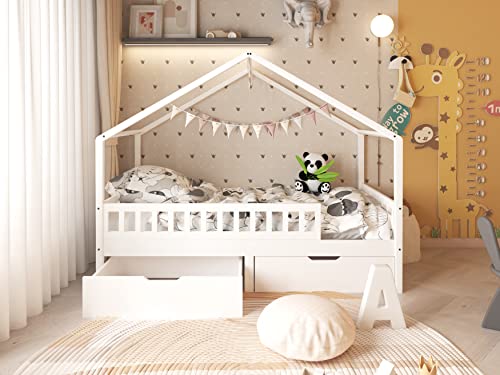
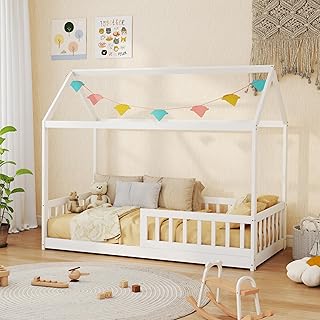
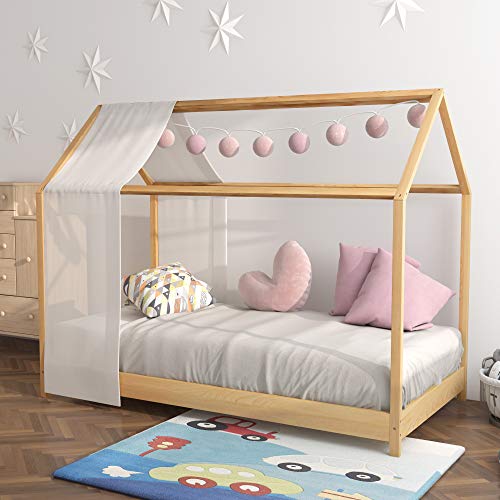
Bed design plays a crucial role in safety, especially when it comes to preventing falls. Low-profile beds, such as platform beds or floor beds, minimize the risk of serious injury if a child rolls out during sleep. Some parents opt for beds with built-in guardrails, which can provide an extra layer of security for younger children who are prone to shifting in their sleep.
People Also Look For:
- Ottoman Storage Bed Frame, Double, King,Super King Bed, Upholstreded Bed Frame (Cream Teddy, 4FT6 DOUBLE)
- BTM Daybed with Trundle, Pull Out Bed with USB &Type C Charging Sations, Upholstered Single Bed with Trundle, Velvet Single Sofa B...
- besrey 2-in-1 Kids Play House Tent for Girls & Boys – Indoor Toddler Tent with Lights & Pad, Children Tents for Kids & Toddlers,...
- Erament 22Pcs Modular Kids Play Couch for Toddler - Kids Sofa Bed for Playroom, Convertible Furniture Ocean Theme Modular Sofa Bui...
- Wall Art Desire Dinosaurs Wallpaper T Rex Photo Wall Mural Kids Bedroom Animal Theme Wallpapers (Paper 130gsm Budget, X Large 1900...
Additionally, consider the bed's height. A bed that is too high can pose a risk of falls, while one that is too low may not provide adequate support for the child's growth. The ideal height allows ease of access for the child while ensuring safety.
Guardrails and Safety Rails
Guardrails are instrumental in preventing falls, especially for children transitioning from cribs to beds. When selecting a bed, look for models that include sturdy guardrails on both sides. These rails should be high enough to offer effective protection without being a hindrance when getting in and out of bed.
In addition to standard guardrails, some beds come with adjustable safety rails. These can be particularly beneficial as children grow, allowing parents to modify the bed setup based on the child's needs. For instance, a bed with removable guardrails can transform into a traditional bed when the child is ready.
Mattress Quality and Fit
The mattress is as important as the bed frame itself. A suitable mattress should fit snugly within the bed frame to eliminate gaps that could pose a risk for entrapment. Parents should opt for mattresses that are specifically designed for children's beds, offering appropriate firmness and support for developing bodies.
Moreover, ensure that the mattress is made from breathable materials to enhance air circulation, which can prevent overheating during sleep. Look for mattresses that are hypoallergenic and free from harmful chemicals, ensuring a healthy sleep environment.
Additional Safety Features
Beyond the bed frame and mattress, several additional safety features can enhance the overall safety of children's beds. One such feature is the inclusion of rounded edges and corners. Beds with sharp edges can lead to injuries, especially in active children. Manufacturers often design beds with safety in mind, ensuring that edges are rounded to minimize risks.
Another important consideration is the bed's assembly. Many beds require assembly upon purchase. It is crucial to follow the manufacturer's instructions meticulously to ensure all components are securely fastened. Using the right tools and double-checking connections can prevent future issues related to stability.
Storage Solutions
Incorporating storage solutions into children's beds can also contribute to safety. Beds with drawers or built-in shelving can help keep the child's sleeping area organized, minimizing clutter that could lead to trips or falls. When choosing a bed with storage, ensure that drawers open and close smoothly and do not pose a risk of pinching fingers.
- Check for safety features such as anti-tip mechanisms.
- Look for beds that offer easy access to storage compartments.
- Opt for designs that allow children to reach their belongings safely.