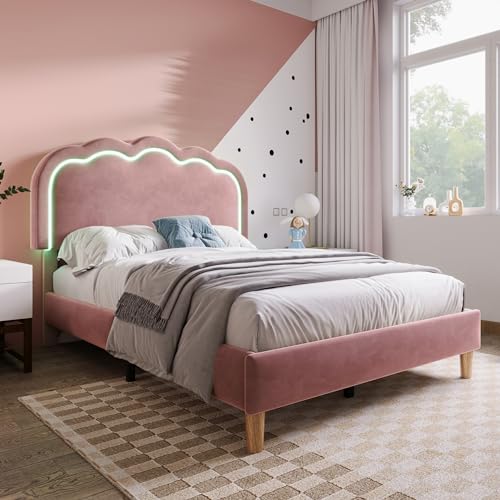
Creative Smart Bedroom Ideas for Siblings Sharing Space
In today's fast-paced world, the concept of shared living spaces has evolved significantly. Siblings often find themselves sharing a bedroom, which can be both a challenge and an opportunity for creativity. Designing a room that caters to the needs of both parties can be daunting, but with smart solutions, it can become a space that is functional, stylish, and harmonious. This article delves into innovative ideas for creating a smart bedroom that accommodates brothers and sisters sharing their living space.
Understanding Individual Needs
The first step in designing a shared bedroom is understanding the individual needs of each sibling. Children have different personalities, preferences, and routines, which should be considered in the design process. For instance, one sibling may prefer a quiet study area, while the other may need space for playing and relaxing. Creating distinct zones within the room can help cater to these varying needs.
Consider using furniture that serves multiple purposes. For example, a loft bed can free up space for a desk or play area underneath. This arrangement allows one sibling to have a comfortable sleeping space while the other can utilize the area for study or play. Additionally, integrating smart technology such as adjustable lighting can help siblings customize their space according to their individual preferences.
Smart Storage Solutions
When siblings share a room, storage becomes a critical aspect of the design. Clutter can quickly lead to chaos, so implementing smart storage solutions is essential for maintaining organization. Consider built-in shelves that can be customized for each sibling's belongings. These shelves can be designed to accommodate books, toys, and personal items, allowing each child to have their own designated area.
Another effective storage solution is utilizing under-bed storage. Bins or drawers placed under the bed can hold seasonal clothing, shoes, or extra bedding, keeping the room tidy and maximizing available space. Additionally, wall-mounted organizers can help keep frequently used items within reach while keeping surfaces clear.
Incorporating Technology
In today's digital age, incorporating technology into a shared bedroom can enhance the living experience. Smart devices can offer convenience and fun while promoting organization. For instance, a smart speaker can serve as a central hub for music, alarms, and reminders. This feature allows siblings to set their own schedules and enjoy their favorite tunes while working, studying, or relaxing.
People Also Look For:
- HOMCOM Kids Bed Princess Castle Theme w/Side Rails Slats Home Furniture for 3-6 Yrs Pink 143 x 73 x 60 cm
- Blisswood 3ft Single Bunk Bed, Solid Pine Wood Kids Cabin Bed Mid Sleeper Single Bed Frame with Stairs, Wooden Bunk Beds, Loft Sle...
- Cabin Bed Mid Sleeper in White with Fairy Tent Tower & Tunnel Kids Bunk Noa & Nani
- Sturdy Double Bunk Bed For Kids & Adults - Kids Bed With Guardrails, Stairs, And Wooden Bed Frame - Versatile Mid Sleeper, Ideal C...
- Extra Wide Toddler Bed Rail | Safety Bed Guard Foldable & Portable Bed Fence 150cm x 48,5 cm Bed Guard for Kids | Bed Barrier for ...
Moreover, using smart lighting systems can help create the perfect ambiance for various activities. Siblings can control the brightness and color of the lights through an app, allowing them to customize their environment according to their mood. This flexibility is particularly beneficial when one sibling needs to study while the other wants to unwind.
Creating Personal Spaces
While sharing a room, it is crucial for each sibling to feel that they have their own personal space. This can be achieved through the use of color schemes, decor, and personalized items. Allowing each sibling to choose their bedding, wall art, and accessories can foster a sense of ownership over their area. For example, one sibling may prefer bright colors and playful designs, while the other may opt for a more muted palette.
Using dividers or curtains can also help define personal spaces within the room. A curtain can be hung to separate study areas or sleeping quarters, giving each sibling the feeling of privacy when needed. This approach not only enhances the functionality of the space but also promotes respect for each other's personal preferences.
Designing Interactive Elements
Incorporating interactive elements into a shared bedroom can encourage collaboration and bonding between siblings. Consider creating a shared bulletin board where both can display artwork, important notes, or reminders. This fosters communication and provides a shared space for creativity.
Additionally, installing a chalkboard or whiteboard wall can serve as a canvas for brainstorming ideas, drawing, or even practicing school lessons. This interactive feature can turn a simple wall into a hub of creativity and collaboration. Involving both siblings in the design process ensures that both interests are represented, making the room feel more inclusive.
Maximizing Floor Space
When dealing with limited space, maximizing the floor area becomes essential. Furniture that can be easily moved or rearranged allows for flexibility in the room layout. Consider foldable desks or chairs that can be tucked away when not in use. This feature can create more open space for activities or playtime.
Additionally, using rugs can help define separate areas within the room. A colorful area rug can signify a play zone, while a more subdued rug can denote a study space. This visual separation can help siblings navigate their shared space without encroaching on one another's areas.
Incorporating Nature
Bringing elements of nature into a shared bedroom can enhance the overall atmosphere and promote well-being. Adding plants not only improves air quality but also adds a touch of tranquility to the environment. Siblings can choose easy-to-care-for plants that require minimal maintenance, such as succulents or spider plants.
Furthermore, using nature-inspired colors and patterns in the decor can create a calming environment. Soft greens, blues, and earthy tones can help create a serene backdrop that fosters relaxation and focus. This approach can transform the bedroom into a peaceful sanctuary amidst the hustle and bustle of daily life.
Encouraging Responsibility and Cooperation
Designing a shared bedroom can also be an opportunity to teach siblings about responsibility and cooperation. Establishing a cleaning schedule or chore chart can help siblings learn the importance of maintaining their shared space. By taking turns with tasks such as making the bed, organizing toys, or tidying up, they can develop a sense of accountability.
Additionally, encouraging siblings to collaborate on decorating their space fosters teamwork. This process not only strengthens their bond but also allows them to learn compromise and negotiation skills. Engaging in discussions about their preferences and coming to a mutual agreement on design elements can yield a space that both can enjoy.
Creating a Functional Layout
The layout of a shared bedroom is crucial for maximizing functionality. Consider the flow of movement within the room. Placing beds on opposite sides can create distinct areas, while a shared central space can serve as a common area for activities. Arranging furniture in a way that allows easy access to all areas ensures that both siblings can enjoy their space without feeling cramped.
Additionally, keeping frequently used items within reach can reduce frustration and encourage independence. Designating specific areas for backpacks, shoes, and other essentials can help streamline the daily routine, making it easier for siblings to prepare for school or other activities.