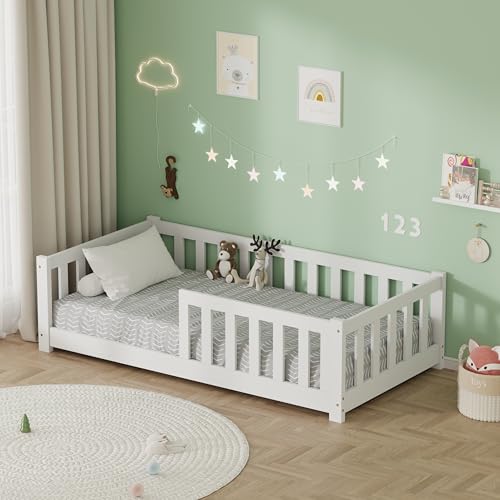
Smart Bedroom Design Tips for Safer Homes
Designing a bedroom with safety and intelligence in mind is crucial for parents. A well-planned bedroom can foster creativity, comfort, and safety for children. Parents often overlook the importance of design elements that not only enhance aesthetics but also contribute to a secure living space. This article delves into practical strategies that parents can implement to ensure their children's bedrooms are both functional and safe.
Understanding Safety Standards in Bedroom Design
When designing a bedroom, understanding safety standards is fundamental. These standards are often dictated by local building codes, but there are universal principles that apply. For instance, using non-toxic materials in furniture and paint can significantly reduce health risks. Parents should prioritize certifications such as Greenguard or EcoLabel, ensuring that the products used are free from harmful chemicals.
Furthermore, choosing furniture with rounded edges minimizes the risk of injury. This is especially vital in spaces where children play and move around. High-quality materials not only enhance durability but also provide peace of mind regarding their safety. Consider investing in furniture that meets or exceeds safety requirements, which can often be found in specialized children’s furniture lines.
Creating a Safe Sleep Environment
The sleep environment is a critical aspect of bedroom design. Selecting the right mattress is essential. A mattress that is too soft can pose suffocation hazards for infants, while older children may benefit from firmer options that support healthy spinal alignment. Consider options such as organic or hypoallergenic mattresses that reduce exposure to allergens.
Bed placement is another important factor. Positioning a bed away from windows can prevent falls and limit access to potential hazards like blinds and sharp edges. Using bed rails or guardrails is advisable for younger children transitioning from cribs to beds, ensuring they remain safe during sleep.
People Also Look For:
- Full Size Bed Canopy Bed Tents Dream Tent on Bed Privacy Space Blackout Sleeping Tents Indoor Breathable Portable Cottage Drafty R...
- DHP Miles (UK) Metal Bunk Bed Single/Single Black
- TANNESS - 2 Pack 30L Underbed Storage Boxes with Lids | Clear Plastic Storage Containers with Black Lids | Stackable Storage Boxes...
- Sleepy Owl Cilek Racing Car Bed for Boys with Pull-Out Trundle, White Sports Car Design, Kids Bedroom Furniture, Converts from Sin...
- Outsunny 1 person Foldable Camping Tent w/Sleeping Bag Air Mattress Outdoor Hiking Picnic Bed cot w/Foot Pump
Smart Technology Integration
Integrating smart technology into bedroom design can enhance safety and convenience. Smart devices such as monitors can help parents keep an eye on their children while they sleep. These devices often come equipped with features like night vision, temperature monitoring, and noise detection, providing parents with peace of mind.
Smart lighting systems can also contribute to a safer environment. Motion-sensor lights can illuminate pathways during the night, reducing the risk of falls when children wake up. Programmable lights can help establish a bedtime routine, signaling to children when it is time to sleep.
Organizing the Bedroom for Safety
A well-organized bedroom minimizes clutter and potential hazards. Implementing smart storage solutions, such as bins and shelves, can help keep toys and books out of the way. This organization not only creates a more visually appealing space but also reduces the chances of accidents caused by tripping over scattered items.
Incorporating furniture that doubles as storage, such as ottomans or beds with drawers, is an effective strategy. This approach ensures that items are stored safely and conveniently, making it easier for children to learn responsibility for their belongings.
Choosing Safe Materials and Colors
Choosing the right materials and colors can influence both the safety and mood of a bedroom. Non-toxic paints and finishes are essential for maintaining air quality. Parents should look for low-VOC or zero-VOC options, which are safer for children’s health. Additionally, selecting carpets and rugs made from natural fibers can help minimize chemical exposure and create a healthier environment.
Color can also play a significant role in a child's bedroom. Soft, calming colors such as pastels can create a serene atmosphere conducive to relaxation and sleep. Bright colors can stimulate energy and creativity but should be balanced with softer tones to create an inviting space.
Implementing Safety Features
Safety features should be a priority in every child's bedroom. Installing window guards can prevent children from climbing out and falling. Additionally, securing heavy furniture to the wall prevents tipping, which is a common hazard in homes with active children.
Electrical outlets should be childproofed with safety caps, and cords should be managed to avoid entanglement risks. Regularly inspecting the bedroom for potential hazards, such as loose screws or damaged furniture, can help maintain a safe environment.
Designing a Multi-Functional Space
In smaller homes, designing a multi-functional bedroom can maximize space while ensuring safety. Incorporating a study area within the bedroom allows children to have a dedicated space for homework and creative activities. Ensuring that this area is well-lit and organized can enhance focus and productivity.
When designing a multi-functional space, flexibility is key. Consider using foldable desks or tables that can be stored away when not in use. This approach keeps the area open and safe for play while providing a functional workspace when needed.
As parents navigate the complexities of bedroom design, they must keep safety at the forefront. Implementing these strategies ensures that children have a secure space that promotes healthy development and peace of mind. Engaging children in the design process can also encourage them to take ownership of their space, fostering a sense of responsibility and creativity. More insights and tips can be explored as we continue to examine the intricacies of bedroom design and safety.