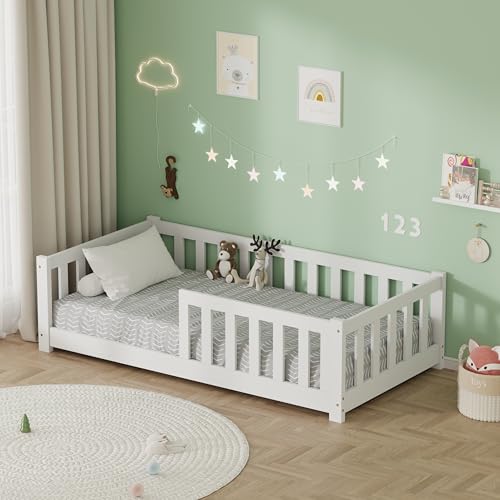
Smart Bedroom Choices for Children at Every Stage
Designing a bedroom for children involves more than just aesthetics. It requires a thoughtful approach that considers the developmental needs and preferences of children at different stages. From infants to teenagers, each age group has unique requirements that should be met with smart design choices. This article delves into practical tips and innovative design ideas to create a bedroom that evolves as your child grows, ensuring functionality, comfort, and style.
Infant and Toddler Bedroom Essentials
When designing a bedroom for infants and toddlers, safety and comfort are paramount. A crib should meet modern safety standards, ensuring a secure sleeping environment. Choose a crib that can convert into a toddler bed, providing longevity and adaptability. It's essential to select bedding that is breathable and hypoallergenic to promote healthy sleep.
In addition to the crib, consider incorporating soft rugs to provide a comfortable play area. Choose non-toxic, easy-to-clean options that can withstand spills and messes typical of this age group. Soft toys, decorative pillows, and wall art can add a personal touch while stimulating sensory development.
Storage is another crucial element. Use toy chests and bins to keep the room organized. Open shelving can display books and toys while allowing easy access for little hands. Keep the layout simple and safe, ensuring that furniture is anchored securely to the walls.
Preschool to Early Elementary Age Design
As children transition from toddlers to preschoolers, their bedroom needs evolve significantly. At this stage, children begin to express their personalities and preferences. Incorporating themes can make the space feel personal and inviting. Popular themes include nature, space, or favorite characters.
People Also Look For:
- 2ft 6\", Small Single Bed, Bunk Bed Fitted Sheet, White by Maria Luxury Bedding & Linen
- Mattress, Queen Size Mattress, 10 Inch Gel Memory Foam in a Box, Fiberglass Free, Breathable for Cooler Sleep Supportive & Pressu
- Bunk Bed 200TC 100% Egyptian Cotton Bunk Bed Fitted Sheet 2ft 6\" (76cmx191cm) Caravan Campervan - Small Single Bed (Bunk Bed Fitt...
- PREMTURE White Chest of Drawers, Baby Changing Table Cabinet with 5 Drawers & Storage Shelves, 120W x 49.5D x 91.5H cm Bedside Sto...
- EINHOM Bunk Bed for Kids, Double Decker Bed with 3 Levels of Stairs, 3FT Children\'s Bed with Furniture Fall Protection, Wooden Be...
Investing in furniture that adapts is key during this phase. Desks designed for homework can double as art stations. Choose adjustable chairs and tables that grow with your child. Additionally, consider a bed that can be raised to allow for storage underneath, maximizing space efficiency.
Incorporate areas for imaginative play and creativity. A small tent or reading nook provides a cozy corner for storytime or quiet reflection. Wall-mounted storage solutions can help keep books and toys within reach while maintaining floor space for play.
Color and Lighting Choices
The color palette in a child’s bedroom can influence their mood and energy levels. Soft pastels are soothing and ideal for sleep environments, while brighter hues can stimulate creativity and playfulness. Use removable wallpaper or decals to easily change themes without a complete overhaul.
Proper lighting is crucial. Natural light should be maximized, while layered lighting options should be provided for various activities. Consider bedside lamps for reading and soft overhead lighting that can be dimmed during bedtime.
Late Childhood to Teenage Considerations
As children grow into late childhood and teenage years, their bedrooms transform into personal sanctuaries. At this stage, individuality and personal expression become significant. Allowing children to choose their decor and furniture can foster a sense of ownership and responsibility.
Invest in flexible furniture that suits a variety of activities. A desk with ample workspace can support homework, hobbies, or creative projects. A comfortable chair can serve as a reading spot or a place to relax with friends. Consider a bed that incorporates storage solutions for linens and clothes, keeping the space organized and clutter-free.
Incorporating Technology
In today's digital age, technology plays a vital role in teenagers' lives. Create a tech-friendly environment by incorporating charging stations for devices and smart storage solutions for gadgets. Ensure that the design encourages healthy tech habits, such as a designated area for screen time that promotes focus and productivity.
As teenagers often appreciate a more sophisticated aesthetic, consider using neutral tones with pops of color or trendy decor that can be easily updated. Wall art can reflect their interests, from posters to personal photographs, allowing them to express their identity further.
Conclusion on Smart Bedroom Choices
In summary, designing children’s bedrooms requires a careful balance of safety, functionality, and expression. Each stage of childhood comes with unique needs that can be met through thoughtful choices. By prioritizing adaptability and personal expression, parents can create inviting spaces that grow alongside their children.
Ultimately, the goal is to foster a sense of comfort and style that resonates with your child at every stage of their development. As they transition through different phases, their bedroom should reflect their changing interests and needs, ensuring a nurturing environment for sleep, play, and study.