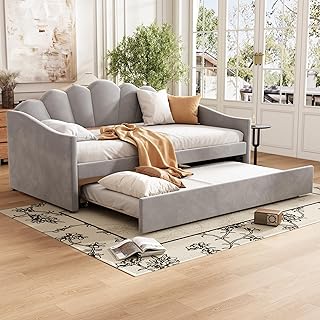
Sleep Friendly Bedroom Ideas for Little Ones
Creating a sleep friendly bedroom for children is essential for their growth and development. The right environment can significantly affect their sleep quality, which in turn influences their mood, behavior, and overall health. This article explores various ideas to design a serene and calming space that encourages restful sleep for your little ones. From color choices to furniture arrangements, every detail counts in crafting the perfect sleep sanctuary.
Choosing Calming Colors
Colors play a pivotal role in setting the mood of a bedroom. When selecting colors for a child's bedroom, it is crucial to opt for calming shades that promote relaxation. Soft pastels such as light blues, gentle greens, and pale pinks are excellent choices. These colors create a peaceful atmosphere conducive to sleep.
Consider painting the walls with a soothing hue and complementing it with coordinating bedding and accessories. For instance, a light blue wall can be paired with white or beige furniture, creating a harmonious and tranquil environment. Additionally, try to limit the use of bright colors or patterns, as these can be overstimulating and disrupt the calmness needed for sleep.
Incorporating Nature
Integrating elements of nature into a child's bedroom can enhance relaxation. Natural materials such as wood, cotton, and linen can create a warm and inviting space. Consider wooden furniture and organic cotton bedding to promote a healthy sleep environment. Furthermore, adding plants can purify the air and create a sense of connection to the outdoors.
Plants like lavender or jasmine not only add beauty but also emit calming scents that may aid in better sleep. Placing a small potted plant on a bedside table or hanging planters near the window can significantly enhance the room's ambiance.
Furniture Arrangement for Optimal Comfort
The arrangement of furniture in a child's bedroom can impact their sleep quality. A clutter-free space is essential for creating a calming environment. Start by positioning the bed in a way that allows for easy access and a clear view of the door, which can make a child feel secure. Avoid placing the bed directly under a window, as this may expose them to drafts or excessive light.
People Also Look For:
- Kidsaw JCB Junior Bed
- 2-Tier Shoe Organizer Cabinet with Cushion, Glass Door Storage Bench for Hallway & Entryway, Wooden Shoe Shelf, End of Bed Storage...
- 4ft6 Double Bed Frame Upholstered Platform Bed with Height-adjustable Rainbow Headboard, Girls Youth Bed Guest Bed for Adults&Teen...
- Aptliton Kids House-Shaped Bed Frame, Playhouse Bed Frame with Roof, 90 x 190 cm, White, Includes 2 Wheeled Drawers, Wooden Platfo...
- ANIROY Daybed with Trundle and Drawer, Cabin Bed, SIngle Guest Bed Sofa Bed, Pull out Trundle and Storage Drawer for Living Room a...
Consider using multi-functional furniture to save space and reduce clutter. For example, a bed with built-in storage can help keep toys and books organized, promoting a tidy environment. A cozy reading nook with a small bookshelf and a comfy chair can also encourage relaxation and quiet time before bed.
Creating a Soothing Sleep Routine
Establishing a consistent sleep routine is vital for children. A predictable routine signals to their bodies that it is time to wind down and prepare for sleep. Start by designating a specific time for bedtime rituals, such as reading a story or engaging in calming activities like drawing or coloring.
Incorporate sensory elements into the bedtime routine. For instance, using soft, dim lighting in the bedroom can create a calming atmosphere. A night light with adjustable brightness can help children feel secure while still providing enough light for nighttime navigation.
Choosing the Right Bedding and Sleep Accessories
The quality of bedding and sleep accessories can significantly influence a child's sleep experience. Invest in a comfortable mattress that provides the right level of support. Additionally, consider hypoallergenic pillows and blankets to ensure a healthy sleep environment. Soft, breathable fabrics are essential for maintaining comfort throughout the night.
Decorative elements like a cozy quilt or themed bedspread can make the bed inviting. However, ensure that these elements do not overwhelm the space. The goal is to create a bed that feels safe and comforting without becoming too busy or distracting.
Utilizing Sound and Light Control
Sound and light control are essential components of a sleep friendly bedroom. Consider blackout curtains to block out external light during the night, which can help regulate the child’s sleep cycle. In addition, sound machines or gentle background music can create a calming environment that drowns out disruptive noises.
Keep electronic devices out of the bedroom, as the blue light emitted by screens can interfere with the body's natural sleep-wake cycle. If screens are used during the day, set a time limit on their usage to promote healthier sleep habits.
Incorporating Personal Touches
Allowing children to personalize their space can promote a sense of ownership and comfort in their bedroom. Encourage them to choose their favorite colors, themes, or decorations that reflect their personality. This could include adding framed artwork or family photos on the walls.
However, be mindful of balancing personalization with the need for a calming environment. Too many decorations can create visual clutter, which may hinder relaxation. Focus on a few meaningful items that bring joy while maintaining a serene atmosphere.
Setting Up a Cozy Reading Corner
Designing a cozy reading corner can encourage quiet time and relaxation before sleep. This space can include a small chair or bean bag along with a bookshelf stocked with age-appropriate books. A reading nook not only fosters a love for reading but also provides a calming activity that can transition children into a restful state.
Incorporate soft lighting such as a small lamp or fairy lights to create a warm ambiance. Consider using cushions and soft blankets to make the area inviting and comfortable. A dedicated reading space can become a cherished part of their bedtime routine, enhancing their overall sleep experience.