Fun Safe Easy Manageable Children's Bedrooms
Creating a children's bedroom that is both fun and safe requires thoughtful planning and creativity. Parents want a space that not only sparks imagination but also promotes safety and ease of management. This article explores innovative ideas for designing children's bedrooms that meet these essential criteria. By incorporating various themes, colors, and practical solutions, you can create an environment where your child feels comfortable and inspired.
Choosing the Right Theme
The theme of a child's bedroom sets the tone for the entire space. A well-chosen theme can inspire creativity while also providing a comforting atmosphere. Popular themes include outer space, jungle adventures, and fairy tales. For instance, a space-themed room can feature glow-in-the-dark stars on the ceiling, a rocket-shaped bed, and astronaut wall decals. These elements not only create excitement but also encourage imaginative play.
When selecting a theme, consider your child's interests. If your child loves animals, a jungle theme might incorporate vibrant greens and animal prints. You can add stuffed animals, jungle murals, and even a tent for playtime. This approach fosters a sense of ownership and connection to the space, making it feel like a personal sanctuary.
Incorporating Color Wisely
Color plays a vital role in how a room feels. Bright colors can energize a space, while softer hues can create a calming environment. Use a combination of colors to balance fun and safety. For instance, bright accent colors can be paired with neutral tones to create a vibrant yet soothing atmosphere. Consider painting one wall in a bold color while keeping the remaining walls in softer shades for balance.
Additionally, you can use removable wall stickers for seasonal changes. This allows the room to evolve without the need for a complete makeover. Children often outgrow their interests, so flexibility is key in maintaining an enjoyable space.
People Also Look For:
- Klarheitswerk Girls Pink Princess Bed Frame - Cloud Headboard with LED Lights & Storage Drawer, Soft Upholstered Kids Bed for Chil...
- SONIVE Waterproof Thick Mattress Topper Fluffy Soft Breathable Pad Machine Washable Fitted Mattress Protector Bedding Topper for S...
- Jtyca Day Bed, Upholstered Single Sofa Bed with Trundle Bed, Velvet Sofa Bed with Pull Out Bed, Daybed for Adults & Teenagers, 3FT...
- Miyemo Bunk Bed for Kids, 3ft Single Bed Frame with Staircases & Parapet, Children's Bed with Fences & Door, Solid Wood, 90 * 190c...
- Julian Bowen Atlantis Toddler Car Bed - White
Safety Features to Consider
When designing a child's bedroom, safety should always be a top priority. Start with selecting furniture that meets safety standards. Ensure that beds have guardrails for younger children and that all furniture is anchored to the wall to prevent tipping. Soft rugs can cushion falls, while rounded furniture edges can reduce the risk of injury during playtime.
Another essential safety feature is proper lighting. Use night lights or motion-sensor lights to ensure your child can navigate the space comfortably during the night. Consider blackout curtains for daytime naps, which can help regulate light and keep the room cozy. These small adjustments create a safe environment where children can feel secure and relaxed.
Creating Organized Spaces
An organized bedroom contributes to both safety and ease of management. When children have designated spaces for their toys, books, and clothes, it encourages responsibility and independence. Invest in storage solutions that are accessible to your child, such as low shelves and colorful bins. Labeling these storage options can also help children learn to put things away after playtime.
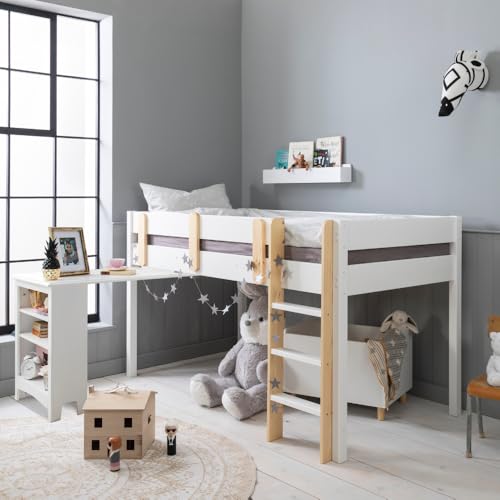
Incorporating multifunctional furniture can maximize space and reduce clutter. For example, beds with built-in drawers can store extra bedding or toys. A desk that doubles as a play table can provide a space for both homework and creative activities. By thinking creatively about furniture choices, you can create a room that is fun, functional, and easy to manage.
Encouraging Personalization
Allowing children to personalize their space can foster a sense of belonging and creativity. Encourage your child to select artwork for their walls or create a gallery of their favorite pictures. This can be done using frames or clipboards for easy swapping. You can also involve them in selecting bedding patterns, curtains, and decor that reflect their personality.
In addition to art, consider a bulletin board or a magnetic board where children can display their achievements and favorite items. This not only beautifies the room but also motivates children to express themselves and take pride in their space. Personalization is a crucial element in making a bedroom feel like a true reflection of the child.
Incorporating Play Areas
A designated play area within the bedroom can significantly enhance the fun factor. This space can be as simple as a cozy reading nook with cushions and books or an elaborate setup with a play kitchen or building blocks. When children have a specific area for play, it helps maintain organization and keeps toys contained.
Consider creating a tent or fort where children can enjoy imaginative play. These structures can be made from lightweight materials and easily moved as needed. Incorporate soft flooring options like foam mats or area rugs to provide comfort during playtime. The goal is to create a vibrant play space that encourages creativity while keeping the overall room organized.
Maintaining Cleanliness and Organization
Lastly, teaching children about cleanliness and organization from an early age is essential. Establish a routine for tidying up, perhaps as part of their bedtime routine. Using fun songs or games can make this process enjoyable. For instance, you can set a timer and challenge them to pick up as many toys as possible before the timer goes off.
Additionally, regular decluttering sessions can help keep the space manageable. Encourage your child to donate toys they no longer play with, teaching them about sharing and responsibility. This not only keeps the room tidy but also instills valuable life lessons.