Designing Dream Bedroom Around Perfect Kids Bed
Creating a dream bedroom for your child involves more than just selecting a bed. It encompasses a thoughtful design process that resonates with your child's personality and enhances their comfort and creativity. The perfect kids bed serves as the centerpiece, influencing the overall aesthetic and functionality of the room. This article explores key considerations in designing a bedroom that revolves around the ideal bed, ensuring a magical space for your little one.
Choosing the Perfect Kids Bed
The foundation of a dream bedroom is undoubtedly the bed. Selecting the right kids bed is essential not just for aesthetics but also for comfort and safety. There are various styles available, including bunk beds, loft beds, and traditional twin beds. Each type has its unique advantages, catering to different needs and room sizes.
For instance, bunk beds are perfect for shared spaces, maximizing vertical space while providing fun sleeping arrangements. Parents should consider the age and needs of their children when deciding on a style. For younger kids, a low-profile bed might be safer, while older children may prefer a loft bed that allows for a study area beneath.
Materials and Safety Considerations
When selecting a bed, the materials used are crucial. Solid wood beds offer durability and can withstand the wear and tear of childhood, while metal frames can provide a sleek modern look. Furthermore, safety features like rounded edges and sturdy guardrails are essential components to look for in a kids bed.
It is also vital to ensure that the bed meets safety standards. Parents should check for certifications indicating that the bed is free from harmful chemicals and meets safety regulations. Investing in a high-quality bed not only enhances the room’s design but also ensures your child's well-being.
People Also Look For:
- Royal Blue 2ft 6\" (76cmx190cm) Percale Bunk Bed Fitted Sheet Caravan Campervan - Small Single Bed
- Emma Original King Size Mattress 150x200 cm 25 cm high Memory Foam Mattress Which? Best Buy 2018 and 2019 Mattress I 100 Nights tr...
- Tutti Bambini Rio Baby Cot Bed with Cot Top Changer - 2-in-1 Baby Crib & Toddler Bed, Baby Bed, Adjustable Base, Baby Cot, Birth t...
- EINHOM Bunk Bed for Kids, Double Decker Bed with 3 Levels of Stairs, 3FT Children\'s Bed with Furniture Fall Protection, Wooden Be...
- Cylogia Large Bedside Storage Caddy with 6 Pockets, Bedside Oxford Hanging Bag Holder Bunk Bed Sofa Armchair Accessories Pocket Or...
Color Schemes and Themes
The color scheme of the bedroom can significantly impact the overall atmosphere. Choosing a palette that reflects your child's personality can make the space feel more inviting and personal. Soft pastels or bright primary colors can create a cheerful environment, while neutral tones can offer a calming effect.
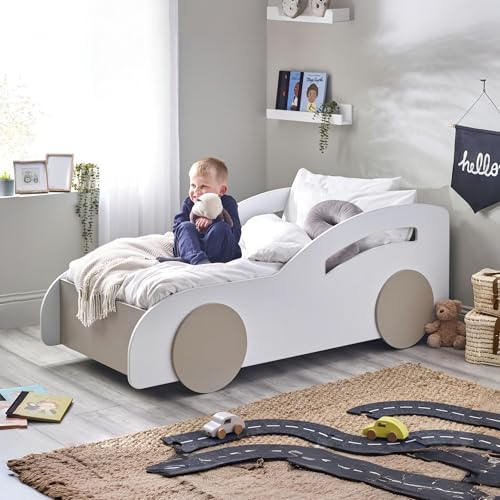
Incorporating a theme can also add an exciting dimension to the bedroom. Popular themes include space adventures, fairy tales, or jungle safaris. When designing around a theme, consider how the bed can enhance the narrative. For example, a bed shaped like a car can complement an automotive theme, while a treehouse bed can elevate a nature-inspired décor.
Incorporating Functional Furniture
To maximize space and functionality, it is essential to integrate furniture that complements the bed. Storage solutions, such as under-bed drawers or shelving units, can help keep the room organized while providing easy access to toys and books. A cozy reading nook with a small bookshelf can also inspire creativity and a love for reading.
When positioning furniture, ensure that there is ample room for movement. Avoid overcrowding the space, as this can make the room feel cramped. Consider using multi-functional furniture, like a desk that doubles as a play area or a storage bench that can serve as seating.
- Choose a bed style that suits your child’s age and preferences.
- Incorporate vibrant colors that match the theme.
- Utilize functional furniture to maximize space.
- Ensure safety features are prioritized in the bed design.
Personalized Decor and Accessories
Once the bed and essential furniture are in place, personalizing the room with decorations and accessories can truly make the space unique. Custom wall art featuring your child's name or favorite characters can add a special touch. Additionally, themed bedding sets or decorative pillows can enhance the overall design.
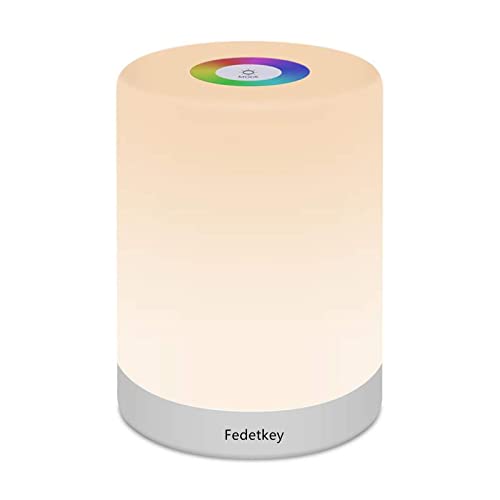
Lighting also plays a significant role in the bedroom ambiance. Consider installing a mix of ambient lighting, such as ceiling fixtures, and task lighting, like bedside lamps. Nightlights can ensure a comforting glow for bedtime, while fairy lights can add a magical touch.
Creating an Inviting Atmosphere
The final aspect of designing a dream bedroom is creating an inviting atmosphere that encourages relaxation and play. Incorporate soft textiles, such as area rugs and curtains, to add warmth and comfort. A cozy blanket or a selection of plush toys can make the bed a welcoming retreat.
Furthermore, consider the layout of the room. Position the bed to face a window, allowing natural light to flood in during the day. This not only brightens the room but also connects your child with the outdoor environment.
Incorporating a variety of textures can also enhance the sensory experience of the room. Mix soft fabrics with harder surfaces to create a balanced design. This can include wooden furniture paired with plush bedding or metal accents with cozy textiles. The interplay of textures can make the room feel more dynamic and engaging.