Creating a Cozy Bedroom for Kids in 2026
As we enter 2026, creating a cozy bedroom for kids has become an essential aspect of parenting. In this year, the focus is on blending comfort with functionality while encouraging creativity and personal expression. Parents are increasingly aware of the impact their child's environment has on their overall well-being. A well-designed bedroom can foster a sense of security and inspire imagination. This article explores the latest trends and practical tips for designing a cozy space that your child will love.
Understanding the Importance of a Cozy Bedroom
In 2026, children's bedrooms are not just places to sleep; they are multi-functional spaces that serve as play areas, study zones, and relaxation retreats. A cozy bedroom can help children feel safe and nurtured, which is especially important during their formative years. Studies have shown that children who spend time in a comforting environment tend to be more creative and better able to focus on tasks.
When designing a cozy bedroom, consider factors such as color palettes, lighting, and furniture arrangement. The goal is to create a soothing atmosphere that promotes relaxation and creativity. For instance, soft color schemes featuring pastels or muted tones can help create a calming effect, while the strategic placement of furniture can open up space for play and movement.
Trends in Cozy Bedroom Design for 2026
As we look at 2026, several design trends are emerging that prioritize comfort and aesthetic appeal. One of the most prominent trends is the incorporation of nature into children's bedrooms. This year, many parents are opting for natural materials such as wood and organic fabrics. These elements not only enhance the aesthetic but also promote a healthier living environment.
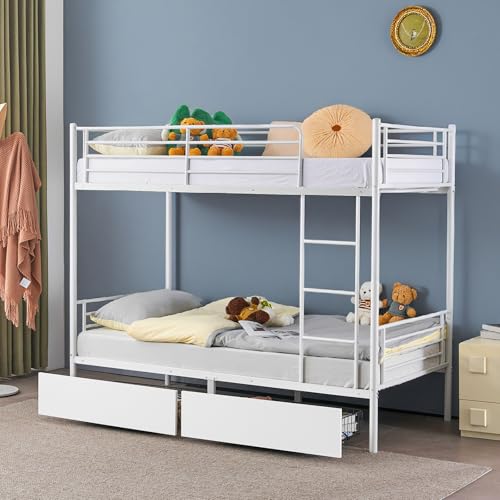
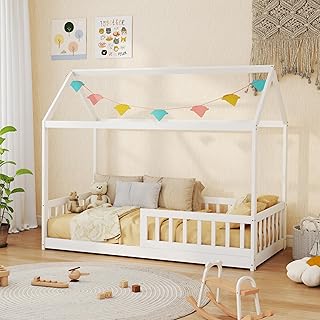
Another trend is the use of modular furniture. Modular pieces can be rearranged and adapted as children grow, making them a practical choice for parents. For example, a bed with built-in storage can help keep the room tidy while providing a cozy sleeping area. Additionally, incorporating soft textiles such as plush rugs and cushions can add layers of comfort that invite children to relax and play.
Color Schemes That Enhance Coziness
In 2026, color psychology plays a crucial role in designing cozy bedrooms. Soft colors such as pale blues, muted greens, and gentle pinks can create a serene atmosphere. Parents are encouraged to involve their children in the color selection process, allowing them to express their preferences and create a space they feel connected to.
People Also Look For:
- Visco Therapy Hypoallergenic Memory Foam Cabin Bed Mattress (EU Single - 90x200)
- Percale Bunk Bed Fitted Sheet 2ft 6\" (76cmx190cm) Caravan Campervan - Small Single Bed POLY COTTON (WHITE)
- SIMBOOM Bedside Storage Pocket, Felt Hanging Organizer Bag Anti-Slip, Magazine Phone Remote Holder for Home Bed Rails, Sofa, Bunk ...
- Wall Art Desire Dinosaurs Wallpaper T Rex Photo Wall Mural Kids Bedroom Animal Theme Wallpapers (Paper 130gsm Budget, X Large 1900...
- Bunk Bed 200TC 100% Egyptian Cotton Bunk Bed Fitted Sheet 2ft 6\" (76cmx191cm) Caravan Campervan - Small Single Bed (Bunk Bed Fitt...
Consider using two or three colors in the room for a harmonious effect. For example, a combination of a soft blue wall with white furniture and pastel accents can create a tranquil yet engaging space. Accent walls with removable wallpaper featuring playful designs can also add a personal touch without the commitment of permanent changes.
Creating Functional Spaces Within the Bedroom
In 2026, maximizing space is essential in children's bedrooms. As kids grow, their needs change, and their bedrooms must adapt. Creating distinct areas for sleeping, studying, and playing can help them make the most of their space. For instance, consider installing a loft bed, which frees up floor space for a cozy reading nook or a play area beneath.
Incorporating a study area is equally important. Designate a corner of the room with a small desk and comfortable chair. Ensure there is adequate lighting, as this will encourage children to focus on their homework or creative projects. A well-organized workspace can significantly enhance productivity and foster a sense of responsibility.
Incorporating Personal Touches
Personalization is a key element in creating a cozy bedroom for kids in 2026. Allowing children to choose decor elements such as wall art, bedding, and accessories helps them feel ownership of their space. Many parents are opting for custom items that reflect their child's interests, such as themed bedding based on favorite characters or hobbies.
Displaying artwork created by children can also add a personal touch to the room. Consider using clipboards or frames that can be easily changed, allowing kids to showcase their latest creations. This not only makes the room feel more inviting but also encourages creativity and self-expression.
Lighting Solutions for a Cozy Atmosphere
Lighting plays a crucial role in creating a cozy atmosphere in a child's bedroom. In 2026, the trend is shifting towards adjustable lighting solutions that cater to different activities. Soft ambient lighting can create a soothing environment for bedtime, while brighter task lighting is essential for studying or reading.
Consider using smart lighting options that can be controlled via an app. These lights can be dimmed or brightened according to the time of day or the child's mood. Additionally, incorporating fairy lights or soft lanterns can add a whimsical touch while providing a warm glow.
Maximizing Comfort with Textiles
Textiles are an important aspect of creating a cozy bedroom. In 2026, parents are encouraged to choose materials that are both comfortable and easy to maintain. Look for bedding made from organic cotton or bamboo, which are soft to the touch and breathable.
Layering different textures can also enhance comfort. For instance, combining a soft duvet with textured throw pillows and a plush rug can create a warm and inviting space. Additionally, using blackout curtains can help ensure a good night’s sleep by keeping the room dark and quiet.
Incorporating Technology Thoughtfully
As technology becomes increasingly integrated into children's lives, it is important to incorporate it thoughtfully into their bedrooms. In 2026, many parents are choosing to limit screen time while ensuring that technology serves educational and entertaining purposes. Consider including a designated area for electronic devices that is separate from the sleeping space.
Integrating educational tools such as tablets or interactive boards can enhance learning while keeping the room organized. It is essential to establish boundaries around technology use, promoting a healthy balance between screen time and other activities.