Create A Cosy Sleep Space Your Child Will Love
Creating a sleep space that promotes comfort and relaxation is essential for your child's overall well-being. A well-designed sleep environment can significantly improve sleep quality, leading to better mood, behavior, and cognitive function. This article explores effective strategies to craft a cosy sleep space that your child will cherish.
Understanding the Importance of A Sleep Space
A child's sleep environment is not just about aesthetics; it plays a crucial role in their ability to fall asleep and stay asleep. Factors such as lighting, temperature, and noise levels all contribute to a soothing atmosphere conducive to restful sleep. Research indicates that a calming environment can reduce anxiety, helping children transition more easily into sleep.
Consider the case of Sarah, a seven-year-old who struggled with insomnia due to a cluttered and brightly lit bedroom. After reorganizing her space and implementing soft lighting, her parents noticed a significant improvement in her sleep patterns. This example illustrates how simple changes can lead to profound effects on a child's rest.
Designing the Physical Space
Begin by evaluating the physical aspects of your child's bedroom. Pay attention to the following elements:
- Color Scheme: Choose calming colors such as soft blues, greens, or neutral tones. These hues promote relaxation and can help lower heart rates.
- Furniture Arrangement: Ensure that the bed is positioned away from distractions, such as windows that may let in streetlights or noise. A quiet corner of the room is ideal.
- Comfortable Bedding: Invest in high-quality bedding that provides comfort. Soft sheets and a cozy duvet can make a significant difference in how your child feels in their sleep space.
Creating Zones Within The Room
In addition to designing the main sleep area, consider creating distinct zones within the room for different activities. This can help your child associate their bed with sleep, while other areas can be reserved for play or study. For instance, a cozy reading nook can encourage relaxation before bedtime.
People Also Look For:
- MeMoreCool Kids Couch Sofa, Folding Toddler Chair Bed, Soft Plush Fold Out Kids Armchair Floor Mini Sofa Glow in The Dark, Comfy B...
- FurnitureHMD Treehouse Style Bed,Solid Pine Wood, Single Bed Frame,Floor Bed Frame for Boys and Girls,Bedroom Furniture (natural)
- Wallfillers Animal Map of World Atlas Canvas Art for Childrens Bedroom - Educational Kids Pictures - Nursery Playroom - 1293 XS - ...
- X-Rocker Basecamp TV Gaming Bed with Rotating Mount, Storage and Cable Management, Single 3ft Low Sleeper Bedstead, Metal Frame, I...
- Moses Pram Basket Mattress Extra 4" Thick Super Soft Nursery Classic Foam Easy to Fit For Baby Pram Crib Bassinet Baskets Value Ov...
Think about how a child might benefit from a small tent or canopy setup in a corner of their room, transforming it into a special retreat. This space can serve as a reading area during the day and a comforting hideaway at night.
Implementing Soothing Elements
The inclusion of soothing elements can significantly enhance the comfort level of your child's sleep space. Here are some effective additions:
- Lighting: Use soft, adjustable lighting options. Consider installing dimmable lights or using bedside lamps with warm bulbs. This allows you to create the perfect atmosphere during bedtime routines.
- Sound Machines: Introducing a sound machine that plays white noise or gentle nature sounds can mask disruptive noises and create a serene backdrop for sleep.
- Aromatherapy: Utilizing calming scents, such as lavender, can create a tranquil environment. Consider using a diffuser or scented pillow spray to promote relaxation.
Establishing A Nighttime Routine
A consistent nighttime routine is vital in signaling to your child that it is time to wind down. Activities such as reading a bedtime story, engaging in calming exercises, or practicing mindfulness can prepare them for sleep. For example, you might incorporate a short yoga session or some deep breathing exercises to help them relax.
It is also beneficial to maintain a regular sleep schedule. Encourage your child to go to bed and wake up at the same time every day, even on weekends, to regulate their internal clock. This consistency reinforces the association between their sleep space and quality rest.
Personalizing The Sleep Space
Encouraging your child to personalize their sleep space can foster a sense of ownership and comfort. Allow them to select their favorite bedding or decor that reflects their interests. This could include themed pillows, wall art, or even a special stuffed animal that they can cuddle with at night.
For instance, if your child is passionate about space, consider incorporating star-themed decorations or glow-in-the-dark stars on the ceiling. This personal touch not only enhances the aesthetic appeal but also makes the space feel uniquely theirs.
Maintaining A Clean Environment
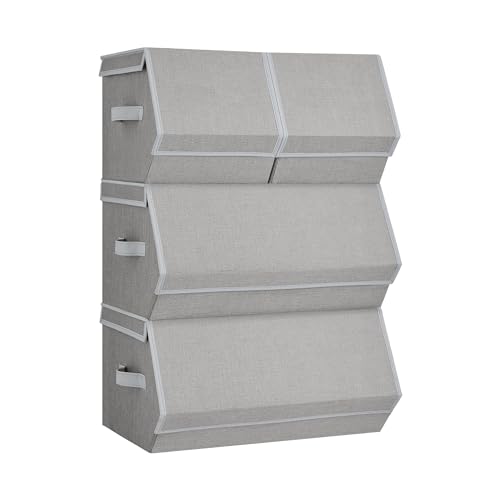
A clean and organized space is essential for a restful sleep environment. Encourage your child to keep their room tidy, storing toys and clothes in designated areas. A clutter-free environment can reduce distractions and help promote relaxation.
Establish a weekly cleaning routine that involves your child, making it a fun activity rather than a chore. This can instill a sense of responsibility and pride in their space, contributing to their overall comfort during sleep.